
You’re offline. This is a read only version of the page.

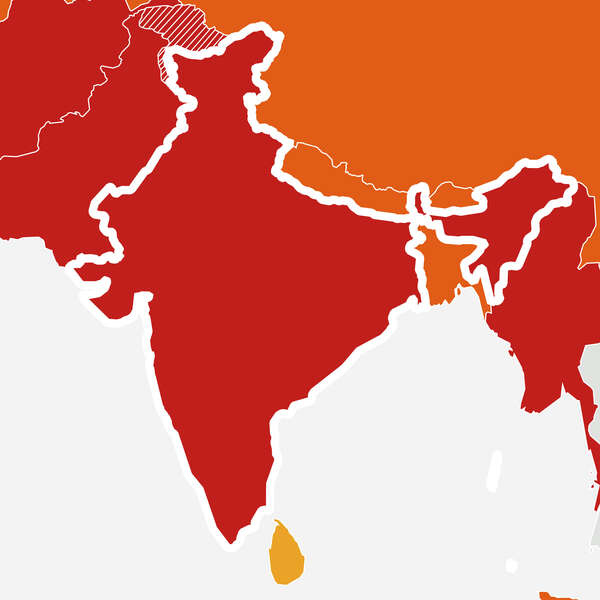




The alienation and persecution of Christians in India continues to be intense.
To religious nationalists, to be Indian is to be Hindu, and that leaves no place for Christianity. The result is systemic discrimination and violence, particularly against converts. Social media is gravely exacerbating the problem, with accusations, disinformation and attacks often going viral and perpetuating false narratives around Christianity. Evangelistic activities are extremely risky.
Another weapon increasingly used to target Christians and other religious minorities is the anti-conversion laws, currently enacted in 12 states and counting. In theory, the laws are meant to protect all religions, but the reality is very different – aided by the laws’ vague wording. It means that even a constitutionally approved activity – such as a prayer meeting – can lead to an accusation, arrest and interrogation. Even a false report is extremely dangerous, as it can lead to mob violence.
In Manipur, scene of horrific ethnoreligious clashes in 2023, Christians are among those who continue to suffer, with many still displaced and vulnerable to attack.
Converts bear the brunt of persecution: the pressure they face to return to Hinduism is expressed almost daily. Christians who are active in outreach to Hindus are also targeted, particularly through the anti-conversion laws. There are some states (such as Kerala) where Christians are much less vulnerable, but they run the risk of persecution in Hindu-majority states. Tribal Christians are also at risk, as they face threats and forcible reconversion and can lose some government benefits.
"I realised that even in our darkest moments, God sends someone to guide us. Many others face even worse persecution for Christ – so why shouldn’t I endure this? I am honoured to suffer for His name."
"Kaveri" was hosting a prayer meeting when police arrested her.
Though India’s rank fell by one position, the reality of persecution remains much the same. The last year has seen several troubling developments. Jose and Sheeja Pappachan became the first Christians convicted under Uttar Pradesh's increasingly strict anti-conversion law. They were fined and given five-year prison sentences. Then house churches were banned in Chhattisgarh, a ruling supposedly aimed at maintaining cultural harmony. Following the order, many house churches were closed, with believers given no written notice.
Other states are working to make their anti-conversion laws even stricter, making it increasingly difficult to share the gospel.
Open Doors partners provide persecution-survival training and other training, livelihood support and emergency aid.

Lord Jesus, we rejoice that countless people in India are encountering You, often through healings and miracles. As the church’s presence and growth bring opposition, uphold our family with Your unfailing love. Meet every need and bring them through with an even stronger faith. We pray against the spread and misuse of anti-conversion laws and for a halt to other legal impediments to religious freedom. Locally and nationally, inspire greater protection of minorities. Amen.
We use cookies and other technologies on our website. Some of them are essential, while others help us to improve this website and your experience. We use them, among other things, to offer you an option for secure donations and anonymously evaluate access to our website. It also allows us to share our own YouTube videos on the website. Depending on the function, the data is passed on to third parties and processed by them. More information on The use of your data can be found in our Privacy Policy. You can revoke or adjust your choice at any time under Cookie Settings.