
You’re offline. This is a read only version of the page.

In Chad’s unstable and increasingly authoritarian context, Christians – especially converts – face layered forms of persecution. Christians are subject to surveillance, harassment and arbitrary repression. Conflict in the southwest has stoked intercommunal tensions. Violence between Christian and non-Christian communities has resulted in displacement, property destruction and cycles of retaliation.
Islamic extremist groups, including Boko Haram and Islamic State West Africa Province (ISWAP), remain active around the Lake Chad Basin. These groups continue to attack Christian villages, burn churches and abduct believers, particularly in rural zones with limited state protection. Their actions contribute to insecurity and religious polarisation.
Additionally, authoritarian policies add additional pressure, and several factors like corruption and crime have made the rule of law less trustworthy.
Christian converts in Muslim-majority regions face threats, beatings and forced concealment. Even private worship can trigger punishment.
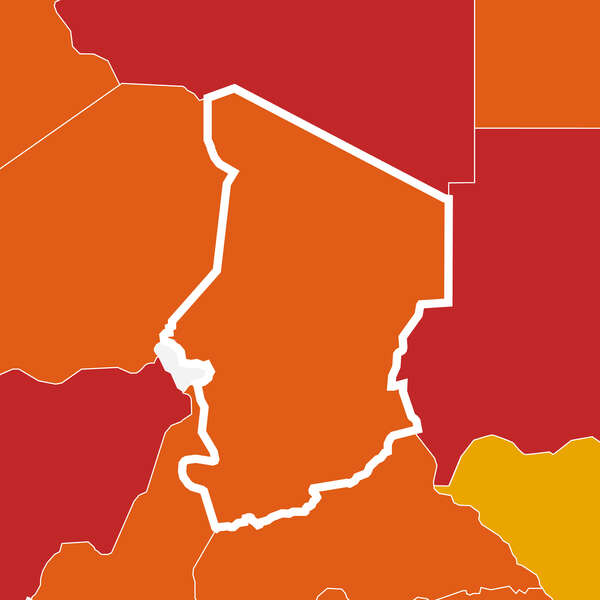
In Chad’s border regions around Lake Chad, Islamic extremists, including Boko Haram, continue to operate, with foreign fighters expanding their reach. In central Chad, churches encounter opposition from followers of traditional African religions, who resist Christian outreach. Religious identity closely follows political geography: the north remains predominantly Muslim, while the south is mostly Christian. Muslim-background converts in eastern and northern Chad must worship in secret to avoid persecution and rejection by their families. Converts from traditional religions in the south face significant pressure to participate in non-Christian rituals.
"For me as a Christian, the earth is an exile. But everything is good. We must walk from peril to peril."
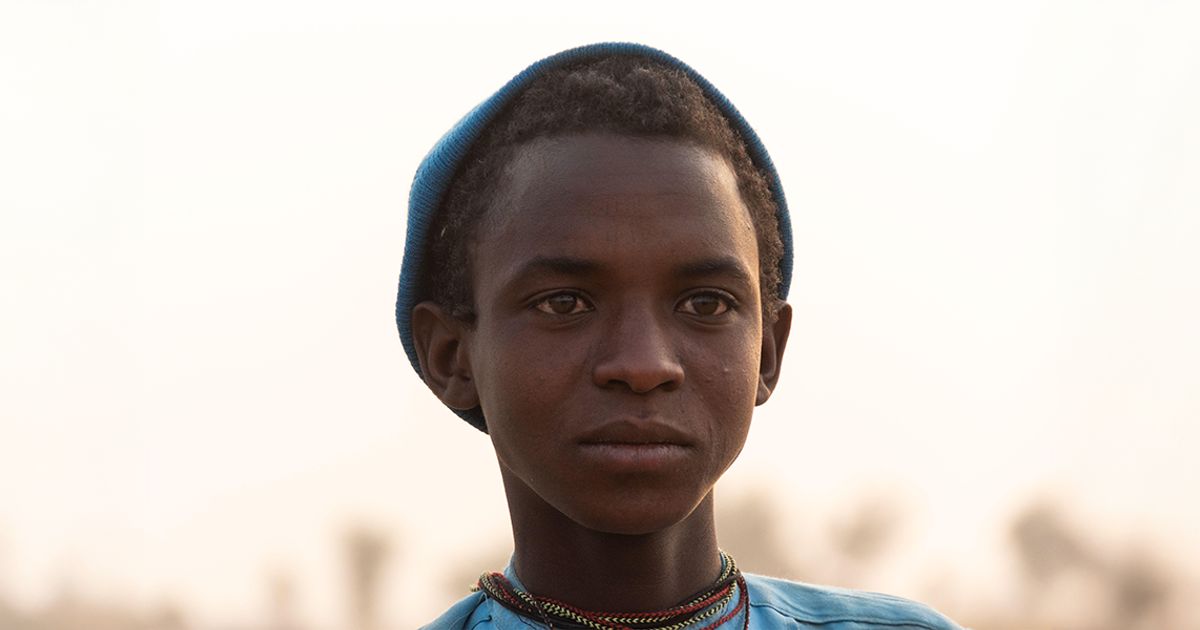
IDPs in Chad after an attack that left 30 Christians dead.
Chad climbed one place on this year’s World Watch List, as its persecution score rose slightly. Chad’s legal and political environment continues to be highly repressive, marked by hostility, restrictions on free expression and assembly, and widespread nepotism. In June 2025, several street evangelists were arrested and accused of espionage. Poverty is acute, and the country remains highly vulnerable to natural disasters and regional instability.
Although Chad is constitutionally secular, Islam is the dominant religion and permeates social and political life. Christians, who are often viewed as outsiders or aligned with foreign agendas, face hostility. In this climate, believers – especially converts from Islam – are subject to increasing pressure, including social ostracism, threats or physical attacks. Churches report tight surveillance, and evangelical communities often encounter barriers to registration. In the south west, tensions between Christian and Muslim communities have escalated into violence, contributing to broader insecurity and deepening mistrust. This year alone, there were several attacks and conflicts.
Open Doors works through local churches in Chad to offer persecution-preparedness training, economic empowerment programmes and other support to help Christians understand persecution and remain resilient.
Dear Lord, we pray with our brothers and sisters in Chad who endure violence and severe pressure because of their faith in You. We ask You to sustain them, be with them, and give them the joy of Your salvation. Bring them refreshment. Help converts find community. Please bring peace and stability to this country so that Your people can worship You without fear. In Jesus’ name, Amen.
We use cookies and other technologies on our website. Some of them are essential, while others help us to improve this website and your experience. We use them, among other things, to offer you an option for secure donations and anonymously evaluate access to our website. It also allows us to share our own YouTube videos on the website. Depending on the function, the data is passed on to third parties and processed by them. More information on The use of your data can be found in our Privacy Policy. You can revoke or adjust your choice at any time under Cookie Settings.